
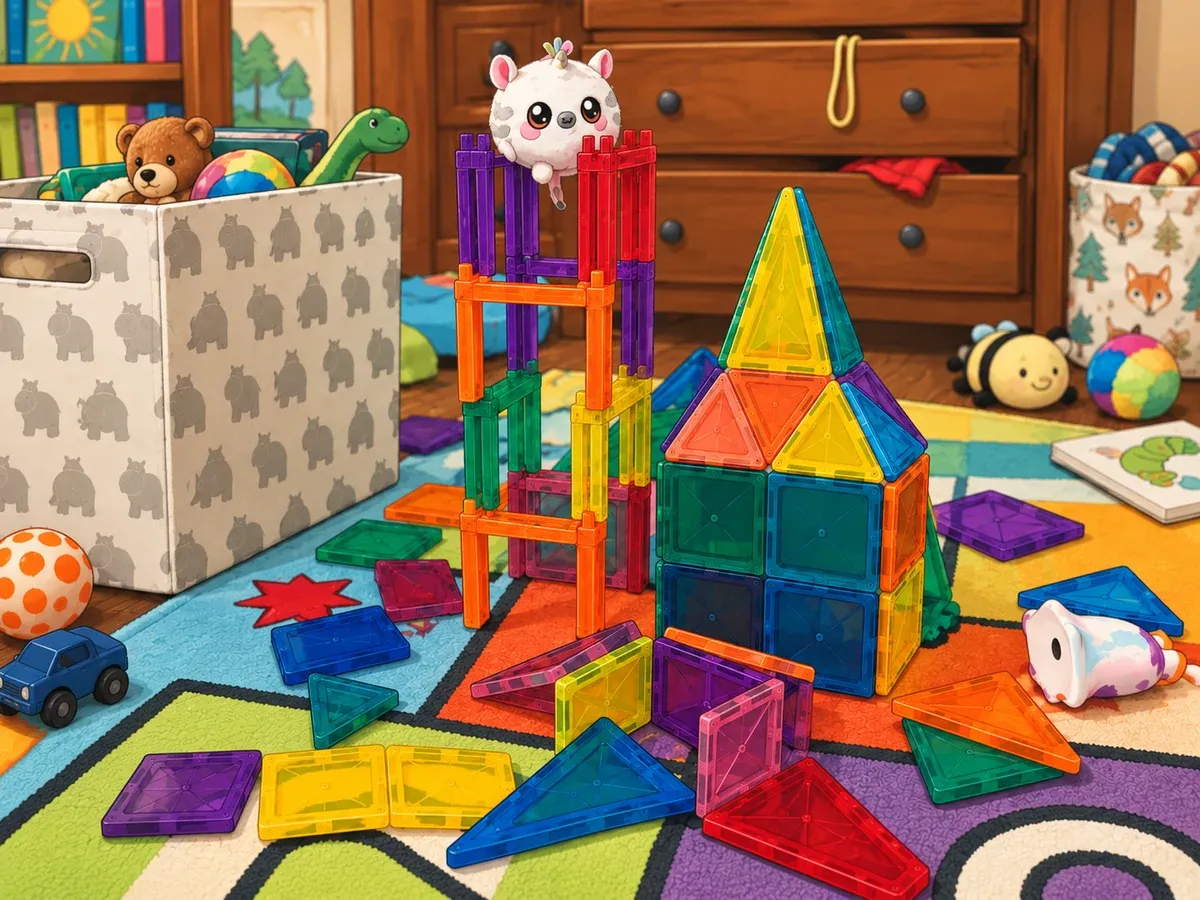
“I’ll take the laundry if you take the playroom.”
“No way.” My partner says it with a smile.
“Okay, fine. I’ll take two of yours. The dishes and all the laundry. Final offer.”
“Nope.” Now he’s chuckling.
I’m getting desperate.
“Do we have to clean the playroom?” I whine just the tiniest bit.
And he laughs out loud.
My partner and I have been playing Thymely’s first game, GamePlan, on weekends. We have a lot to do, and we work as a team to get it all done. Chores aren’t our favorite, and anything we can do to make them more fun…sign us up.
In GamePlan, we put our actual tasks on slips of paper, deal them out and negotiate. And I’m quickly running out of offers. If you haven’t guessed, I really, really don’t want to clean the playroom. This is a big, horrid chore. There is stuff everywhere, and you never know what you’re going to find: slime, glitter, chocolate (or is it?), and the list goes on.
And if you decide, “Hey, today’s the day I’m going to make my kids responsible,” it turns into an all-out war over who picked up 19.5 toys and who picked up 20. How inexplicably unjust the world is! Make. It. Stop.
Across the table, my partner is looking a bit smug. He knows I added clean the playroom to the pile, hoping we could figure out a way to get it done. He is also pretty darn happy that the task slip didn’t land in his pile. Luck of the draw.
He knows we don’t have time this weekend. And I don’t want to admit it. (I hate being wrong.)
You know those work meetings when you get to the action items? Someone asks who can take on one last thing. It’s always the one no one wants. Everyone gets very quiet, looking at the floor or anywhere except the person asking. We were having the weekend version. With a playroom on the agenda. And a few laughs, because we were playing GamePlan.
Tiny science break about fun
In the peer-reviewed article How Fun Are Your Meetings?, researchers explain why humor might help teams get things done. Drawing on earlier research, they describe how humor can help people feel connected, hold their attention, and support communication. And it doesn’t stop there. Humor has the potential to ease stress and improve team productivity. Who knew that the right humor could be both fun and helpful?!
Based on watching 54 workplace teams during regular meetings, patterns of positive humor and laughter were more likely to be followed by questions, encouragement to participate, and new solutions. Those patterns were also linked to higher supervisor ratings for meeting targets and improved efficiency. Managers: listen up!
Those are pretty useful teamwork habits to bring home. At work, people need to coordinate tasks and speak up when the plan won’t fit the time they have. Our team at home needs to do that, too. And humor can help.
At our table playing GamePlan, we were laughing, making offers, turning them down, and working through the plan. We were enjoying each other while trying to figure out what we could actually fit into the weekend.
So what happened to clean the playroom?
There was absolutely no trade I could offer that my partner would accept. (I don’t blame him because I didn’t want it either.) And when I looked at my own pile of task slips, I couldn’t fit it in. Even if I really, really tried.
Eventually, I surrendered. We both agreed it was a nice-to-have and could wait.
So, we executed a punt.
GamePlan has a place for tasks that both people agree can wait: LATER. That’s where the playroom went. Good enough.
Next time you’re dividing up the weekend, try a playful offer. Give your partner room to counteroffer or say no. Then look at the plan together: can you each fit your tasks into the time you actually have? Does everything need to happen this weekend?
Research: Lehmann-Willenbrock, N., & Allen, J. A. (2014). How Fun Are Your Meetings? Investigating the Relationship Between Humor Patterns in Team Interactions and Team Performance. Journal of Applied Psychology, 99(6), 1278–1287.