
You know that moment when something important to someone else suddenly becomes important to you?
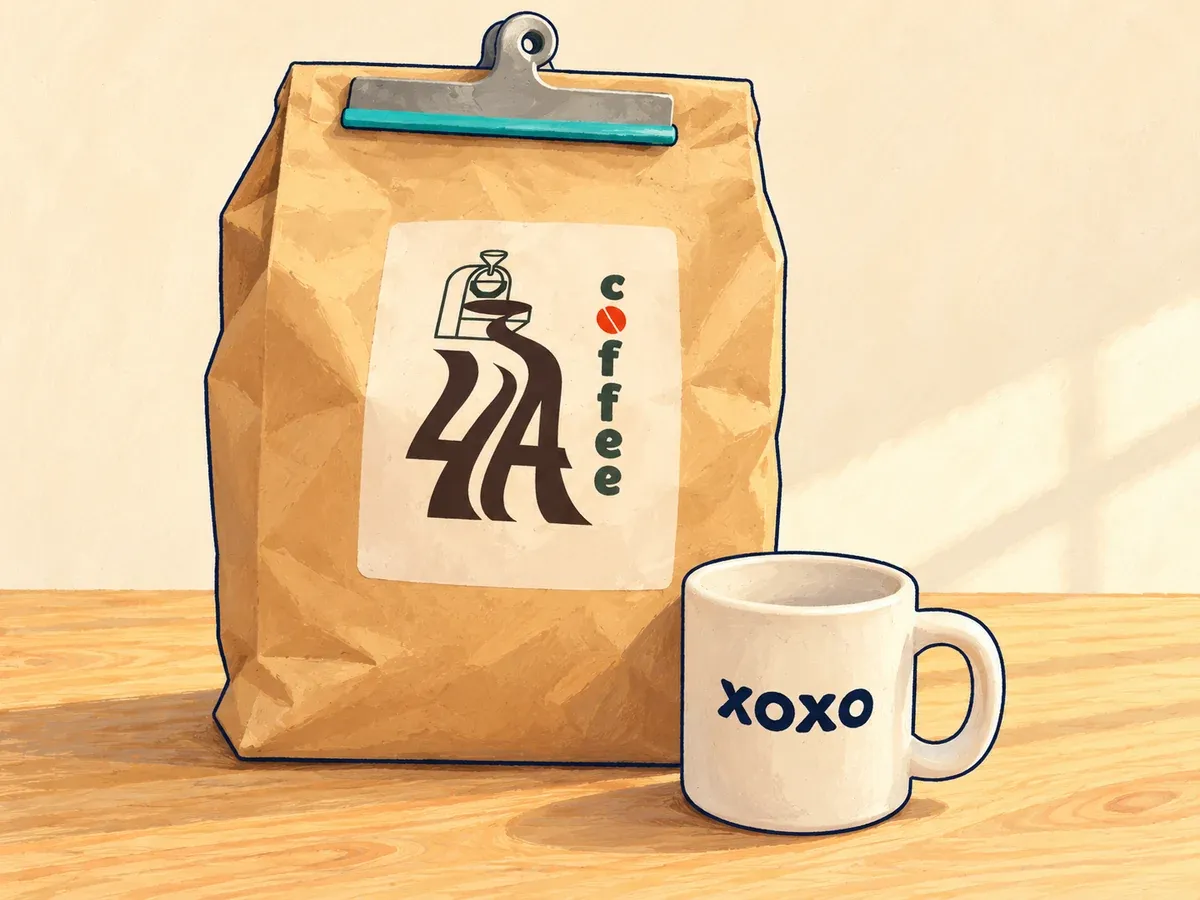
One of mine is coffee. Which is odd, because I don’t drink it. My partner drinks maybe eight shots of espresso in the morning. And when he goes to the grocery store, you better believe he brings back coffee beans. Like ten bags.
Coffee rarely crosses my mind. It makes my hands shake. When I go to the store, I don’t buy it. I don’t even go down the aisle to jog my memory. Relatively speaking, not important to me.
And then there is a morning without coffee. My partner does a great impression of a sleepwalking zombie. The kids still need to get to school. Two may get the wrong sandwiches. Someone may be missing a water bottle. Hair might not be brushed.
The complaints reach me later. Picking up hungry or thirsty kids from school isn’t exactly my jam. And hours later… coffee becomes quite important to me. I would love to say this was me being thoughtful about his needs. But really it was the kids loudly sharing their “opinions” about lunch.
And then… it was my turn to wonder why nobody else understood what IMPORTANT means.
I fell while getting the kids to school. Like, really fell. Now I have crutches, and I walk around the house repeating:
“PICK UP THE STUFF ON THE FLOOR.”
The kids and my partner can step around whatever is lying there. On crutches, I need a clear path. This is driving me mad. Because in MY head, the importance could not be more obvious.
Coffee became important when I felt the consequences. With the floor, I’m asking everyone else to understand what it means for me, without needing a sprained ankle of their own.
Tiny science break
Psychologists call it internalization when we come to value something we’ve been asked to do. In one experiment with a boring task, a combination of three things helped people keep going on their own:
- Explaining why the task mattered.
- Acknowledging people’s feelings.
- Giving them a sense of choice. [1]
My household translation: “I know picking stuff up is annoying. I need a clear path because I can’t safely step around things on crutches. Where could your things go?” Try saying that when your crutch slips on a fallen shirt! This would take an extraordinary amount of forethought and fortitude to come up with something like this in the moment.
Another study followed students for eight days. They were less likely to put off a task when it became more important to them between making a plan and the time they meant to start. The researchers observed a link. They didn’t test whether explaining why a task matters would make someone start sooner. [2] But it does suggest that understanding the importance of a task may play a role in getting things done.
Why GamePlan starts with CONNECT
That is one of the goals behind CONNECT in Thymely’s first game, GamePlan: making time to explain why something matters. My kids and partner don’t have to develop a passion for tidy floors. (I would welcome that, though.) Helping me get around can be reason enough.
For my part, I’ll put coffee on the shopping list before the lunchbox reviews arrive.
Meanwhile, you’ll find me setting up a timed obstacle course of dirty clothes on the floor. Crutches for everyone. The prize: a night off.
Obviously, I’ll win. I’ve been practicing.
References
1. Deci, E. L., Eghrari, H., Patrick, B. C., & Leone, D. R. (1994). Facilitating internalization: The self-determination theory perspective.
Journal of Personality, 62(1), 119–142.
https://doi.org/10.1111/j.1467-6494.1994.tb00797.x
2. Wieland, L. M., Ebner-Priemer, U. W., Limberger, M. F., & Nett, U. E. (2021). Predicting delay in goal-directed action: An experience sampling approach uncovering within-person determinants involved in the onset of academic procrastination behavior.
Frontiers in Psychology, 12, 695927.